

How to produce high-quality biomass briquettes?
Biomass briquettes are an environmentally friendly and efficient energy option, widely used in industry, agriculture, and residential heating. Producing high-quality biomass briquettes requires strict control over multiple stages, from raw material selection and processing technology to equipment use. Here are some key steps and precautions:
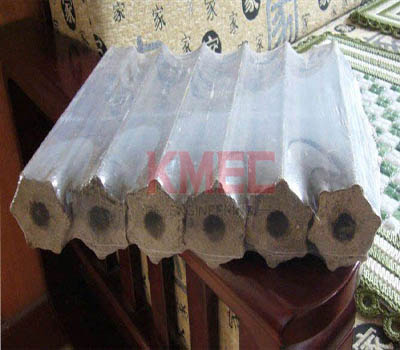
1. Raw material selection
High-quality biomass briquettes require high-quality raw materials. Commonly used raw materials include sawdust, rice husks, corn stalks, cotton stalks, and fruit shells. These raw materials need to have the following characteristics: Moderate moisture content (generally controlled between 10% and 15%); too high or too low a moisture content will affect briquette formation.
Few impurities; avoid mixing in hard impurities such as sand and stones.
High calorific value; raw materials rich in cellulose and lignin are ideal.
2. Raw material processing
Before production, the raw materials must be pre-treated. This mainly includes:
Grinding: Grinding the raw materials into granules, typically with a particle diameter controlled within the range of 3-5 mm, to facilitate subsequent pressing and molding.
Drying: If the raw materials have a high moisture content, they need to be dried using drying equipment to reduce it to a suitable range.
Screening: Removing impurities to ensure the purity of the raw materials.
3. Compression molding
Compression is the core step in producing biomass briquettes. A specialized biomass briquetting machine compresses the processed raw materials under high temperature and pressure. During this process, the following points should be noted:
Temperature control: The temperature is generally controlled at around 200℃ during compression. This helps soften the lignin, thereby enhancing the briquettes’ binding properties.
Pressure adjustment: Appropriate pressure helps increase the density and hardness of the briquettes, but excessive pressure may lead to equipment wear or increased energy consumption.
4. Finished Product Cooling and Storage
Newly produced biomass briquettes are at a high temperature and require cooling before storage. After cooling, the finished product should be stored in a dry, well-ventilated environment, avoiding moisture or direct sunlight.
4. Cooling and storage of finished products
To ensure product quality, biomass briquettes should be tested, including indicators such as calorific value, ash content, moisture content, and mechanical strength, to ensure they meet relevant standards.
Through the above steps, high-quality biomass briquettes can be produced. This fuel is not only environmentally friendly but also effectively reduces dependence on fossil fuels, contributing to sustainable development.