

The role of wood barker in biomass briquette production
In the production of biomass briquettes with logs, branches and other wood as raw materials, wood barking is an important pretreatment process. Reasonable allocation of wood barker will help to protect equipment, improve the quality of briquettes and enhance production stability.
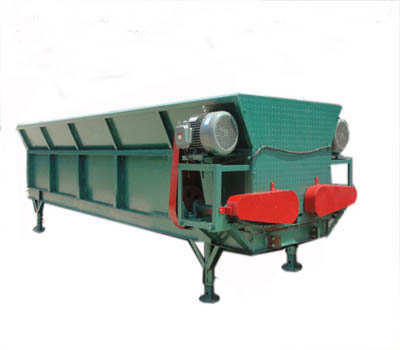
Reduce equipment wear.
Impurities, such as silt, may be attached to the bark surface, which will easily aggravate the wear of the screw and molding die after being put into the briquette making machine. Barking in advance and impurity removal can reduce maintenance frequency and downtime risk.
Improve the quality of finished products.
The ash content of bark is usually higher than that of wood, and excessive mixing may increase the ash after combustion. Barking is beneficial to control the quality of raw materials and improve the consistency of finished products, but the calorific value, density and molding effect of briquettes are also affected by tree species, water content and process parameters.
Improve production efficiency.
The composition of raw materials is more stable, which is helpful to reduce molding fluctuation and defective products and reduce cleaning and maintenance costs. Stripped bark can also be used separately according to conditions, reducing resource waste.
It should be noted that barking is not a necessary step of all the briquette making process. Enterprises should combine the cleanliness of raw materials, product ash requirements and equipment adaptability, comprehensively evaluate the cost and benefit of barking, and choose the appropriate pretreatment scheme. If you happen to want to engage in biomass briquette making business, but are not sure what equipment you need, please feel free to consult!