

Why don’t you need additives for biomass briquetting?
Biomass briquettes are a new kind of energy product, which compress and shape biomass raw materials such as crop straw, sawdust and rice husk by biomass briquette machine. In the process of making biomass briquettes, no additional chemical additives are needed. This is mainly due to the characteristics of biomass itself and the processing technology of high temperature and high pressure, which is analyzed from several aspects as follows:
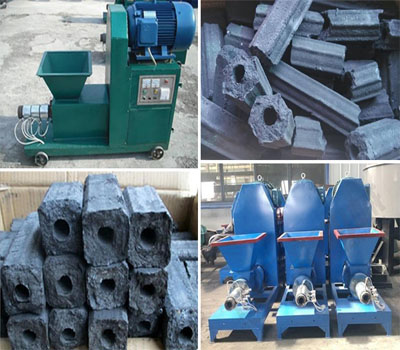
1. Thermoplasticity of lignin
There is a natural component called lignin in biomass materials, which is a macromolecular organic compound with thermoplasticity. Under the pressure of high temperature and high pressure of biomass briquette machine, lignin will soften and play the role of glue, which will closely bind biomass particles together. This characteristic of lignin is the key reason why biomass briquettes can be shaped and strong. Therefore, there is no need to add additional adhesive.
2. High-temperature and high-pressure compression
Biomass briquette machine usually exerts extremely high pressure and temperature when working. This high temperature and high pressure condition not only activates the bonding characteristics of lignin, but also can exhaust the air in the raw materials, so that the particles are more closely combined. This physical compression method further enhances the density and strength of the briquettes.
3. Auxiliary function of water
Proper moisture also plays an important role in briquetting. Biomass raw materials usually contain a proper amount of water. In the process of compression, water contributes to the softening and migration of lignin and promotes the bonding between particles. If the water content is too low, lignin is difficult to soften; If the moisture content is too high, it will affect the forming strength and combustion performance of the briquettes.
To sum up, the reason why the biomass briquette machine does not need additives when making biomass briquettes is mainly attributed to the thermoplasticity of lignin, the processing technology of high temperature and high pressure and the auxiliary effect of water. This process is not only environmentally friendly, but also can reduce the cost, which is a great advantage in the development of biomass energy.