

Are briquettes better than coal?
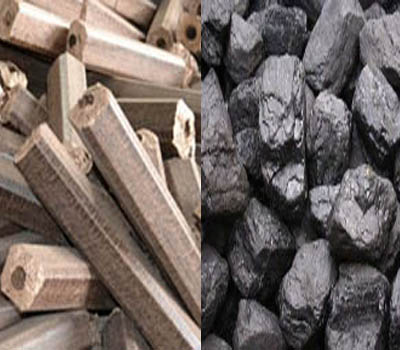
In the field of energy use, coal has always been one of the traditional fuel sources. However, in recent years, briquettes (or biomass briquettes) have gradually become a kind of alternative fuel that has attracted much attention. So, are briquettes better than coal? The following is a comparative analysis from several aspects. (How to produce high-quality biomass briquettes?)
Environmental protection performance
Briquettes are usually made of sawdust, rice husk, straw and other biomass materials by biomass briquette machine, and the amount of carbon dioxide emitted after combustion is low, because these materials have absorbed the corresponding carbon dioxide in the growth process. In contrast, coal combustion will release a lot of carbon dioxide, sulfide and other pollutants, which will have a serious impact on the environment. Therefore, from the perspective of environmental protection, briquettes are obviously superior to coal.
Energy efficiency
The calorific value of coal is usually high, but its combustion efficiency may vary with quality and equipment. Although the calorific value of briquettes is slightly lower, they can release energy more efficiently because of the uniform combustion and low volatility. In addition, the ash content of the briquettes is low, which reduces the trouble of cleaning and maintenance.
Economic cost
In some areas, coal mining and transportation costs are low, so the price is relatively cheap. However, with the strengthening of environmental protection regulations and the implementation of carbon tax, the cost of coal use may rise gradually. In contrast, briquettes can be made from agricultural wastes, and their raw materials are widely available and renewable, which has great economic potential in the long run.
Security
Coal may cause dust and spontaneous combustion risk during storage and transportation, and briquettes have higher density and lower spontaneous combustion risk, so they have more advantages in safety.
On the whole, briquettes produced by briquette machine are superior to traditional coal in environmental performance, energy efficiency and safety, especially in the current global background of promoting green energy. However, due to the differences in regional resource distribution and technical development level, the promotion of briquettes still needs to overcome certain economic and technical obstacles. Generally speaking, if conditions permit, choosing briquettes as fuel is undoubtedly a more environmentally friendly and sustainable choice.