

Factors affecting the processing capacity of biomass brick press
Biomass brick press is a device that compresses biomass raw materials into high-density bricks, widely used in the energy, agriculture, and environmental protection sectors. Its processing capacity directly impacts production efficiency and economic benefits; therefore, understanding the key factors influencing this equipment’s capacity is crucial. Here are some key factors:
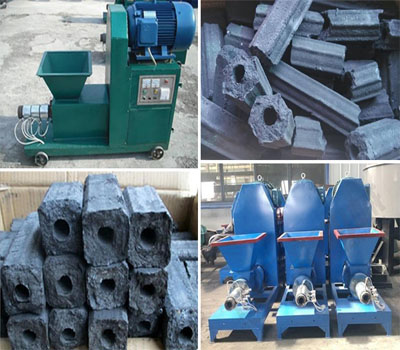
1. Raw Material Characteristics
The type, moisture content, and particle size of the raw material are important factors affecting the processing capacity of the biomass briquette machine.
Type: Different biomass raw materials (such as sawdust, rice husks, straw, etc.) have different fiber structures and densities, resulting in varying pressing difficulties.
Moisture Content: Excessively high or low moisture content will affect the pressing effect; generally, a moisture content between 8% and 12% is required.
Particle Size: Appropriate particle size helps improve pressing efficiency; excessively large or small particles will reduce equipment performance.
2. Equipment Performance
The design and performance of the biomass brick press directly determine its processing capacity.
Die Design: The die aperture and shape affect the density and efficiency of biomass briquettes.
Motor Power: Insufficient motor power may prevent the equipment from operating continuously and efficiently.
Wear Resistance: The wear resistance of the equipment components determines its service life and stability.
3. Operating Parameters
The settings of operating parameters have a significant impact on processing capacity.
Pressure Adjustment: Appropriate pressure settings help improve pressing density while avoiding equipment overload.
Temperature Control: Appropriate temperature can soften biomass fibers and enhance molding results.
Feeding speed: Feeding speed that is too fast or too slow will affect the continuous working ability of the biomass brick press.
4. Maintenance and Care
Regular maintenance and care are crucial for ensuring the efficient operation of the biomass brick press. Cleaning the mold, lubricating mechanical parts, and checking the electrical system can effectively extend the equipment’s lifespan and maintain its optimal working condition.
5. Environmental Factors
Ambient temperature, humidity, and the stability of the power supply can also affect equipment performance. For example, in cold environments, raw materials may harden, increasing the difficulty of pressing.
In summary, the processing capacity of the biomass brick press is influenced by multiple factors, including raw material characteristics, equipment performance, operating parameters, maintenance, and environmental conditions. In practical applications, these factors need to be comprehensively considered and optimized according to specific circumstances to achieve the best production efficiency and economic benefits.